Columns · History
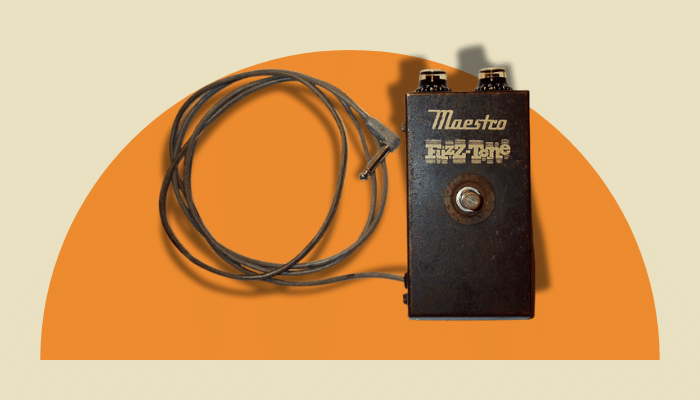
The Early History Of Fuzz Pedals
Grady Martin's broken console, Keith Richards' riff, and Hendrix's Woodstock feedback. How a handful of moments gave birth to one of guitar's most beloved effects.
The arguments, the history, and the weird corners of the pedal world. Less how-to, more what we actually think about all this.
Grady Martin's broken console, Keith Richards' riff, and Hendrix's Woodstock feedback. How a handful of moments gave birth to one of guitar's most beloved effects.
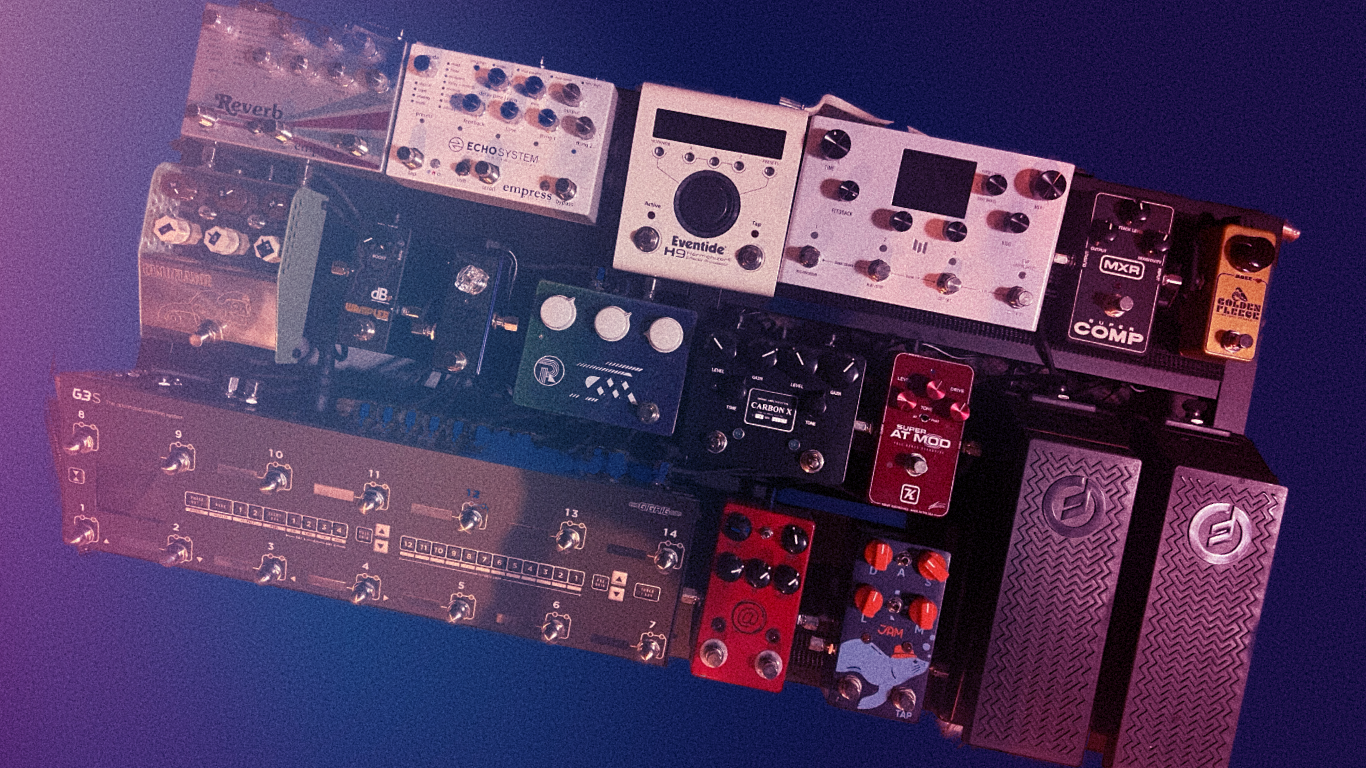


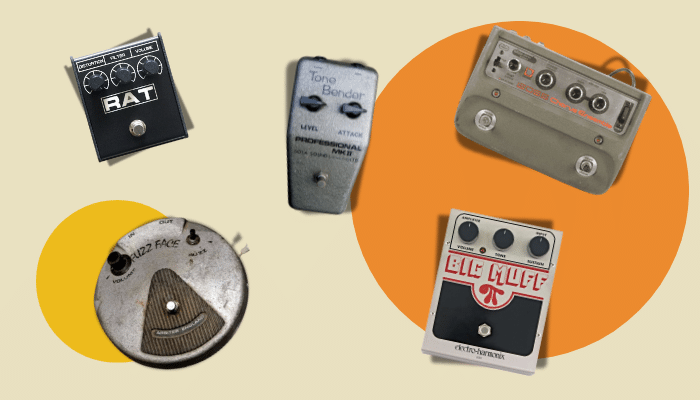
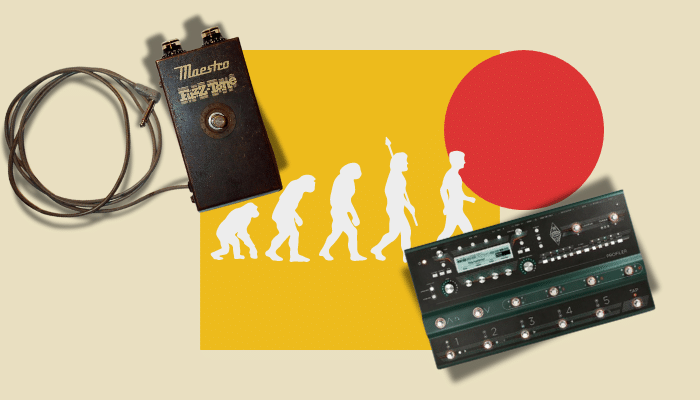
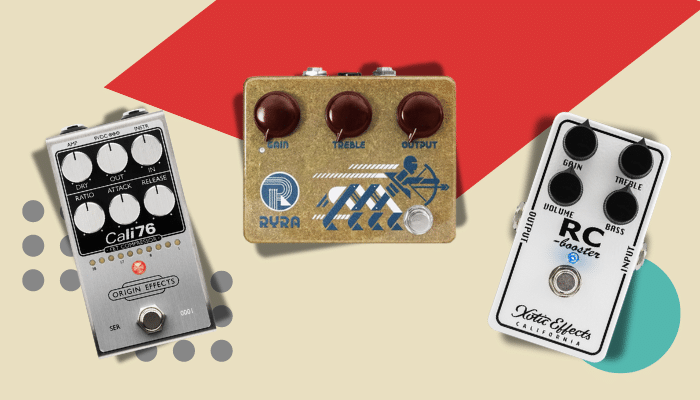
Everywhere else on the site, we keep our opinions on a leash. Here we let them off. Columns is the section for the arguments worth having, the history worth knowing, and the questions a spec sheet can't answer. You won't agree with all of it. That's the point.
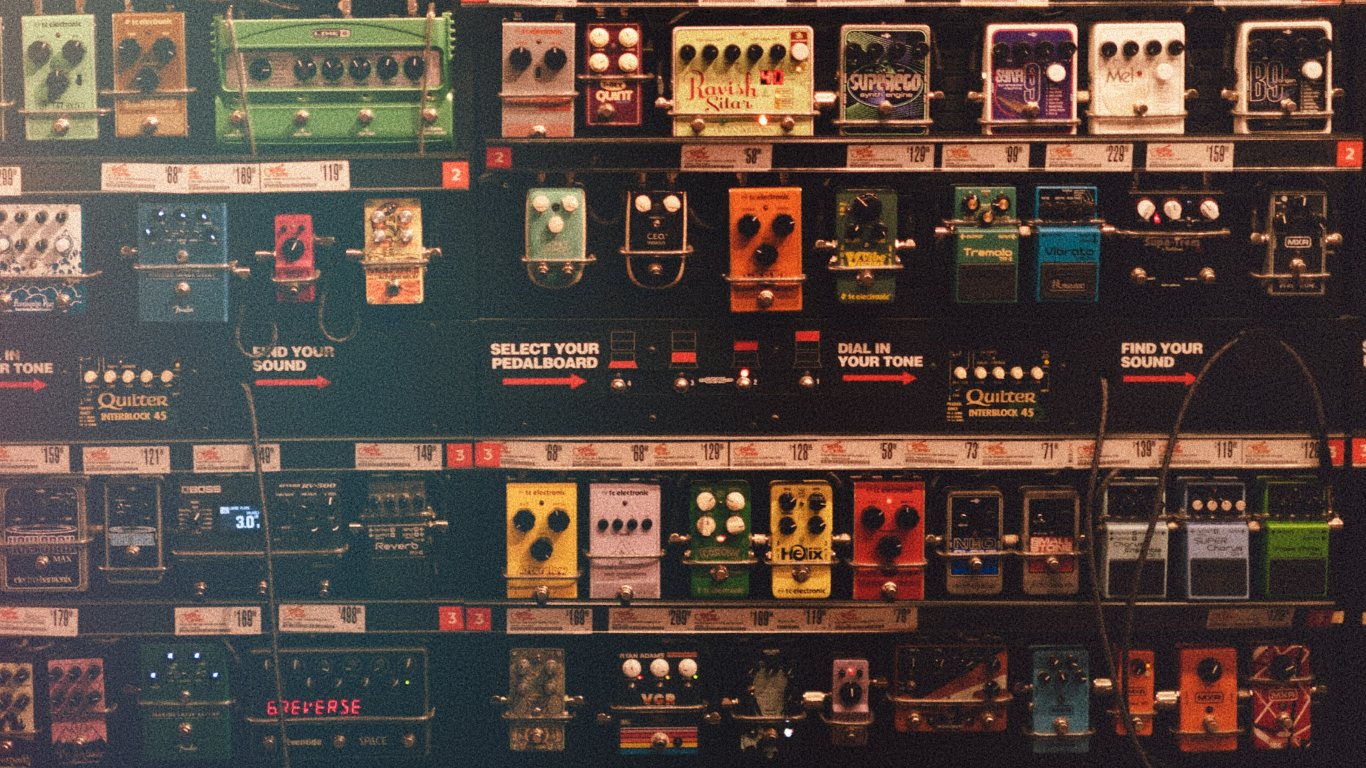
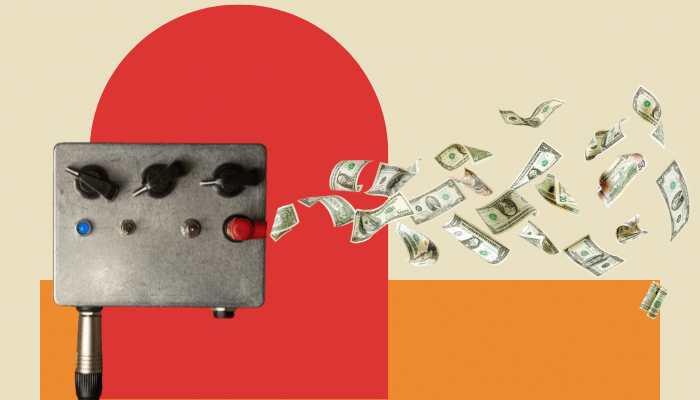
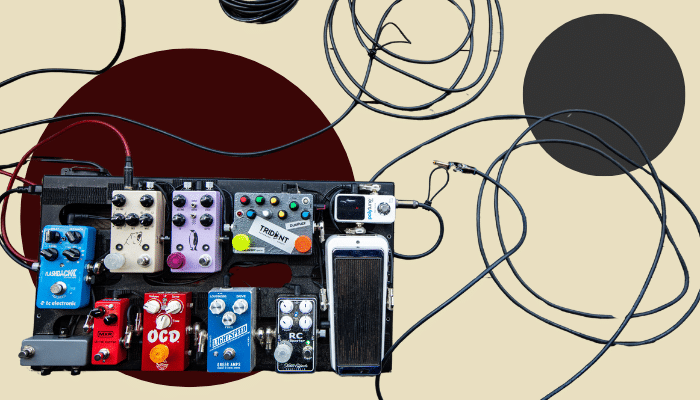
Sometimes that means picking a fight with the industry, like asking why guitar pedals cost what they cost and whether the boutique premium is craft or theatre. Sometimes it means defending a take most players roll their eyes at, like the case for running an always-on pedal, or asking the question every overloaded board is afraid of: how many pedals is too many.
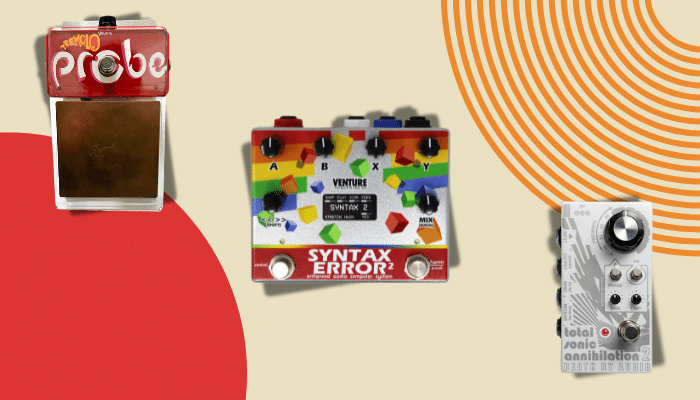
And sometimes there's no fight at all, just a story worth telling, like how fuzz was born from a broken console, or a tour through the strangest pedals ever built. If Guides is the reference shelf, Columns is the conversation you'd have about all of it after the shop closed.
Opinions, arguments, and first looks, in your inbox a month before they hit the site. Discussion topics, gear talk, the loose stuff that doesn't fit a polished article. No filler, no affiliate noise.