This month a delay pedal went on sale for $999.
The Chase Bliss Big Time. A four-figure echo box, shipping into a market where used multi-effects have lost 13% of their value since 2019 and the average boutique pedal is now worth less secondhand than it was before the boom.
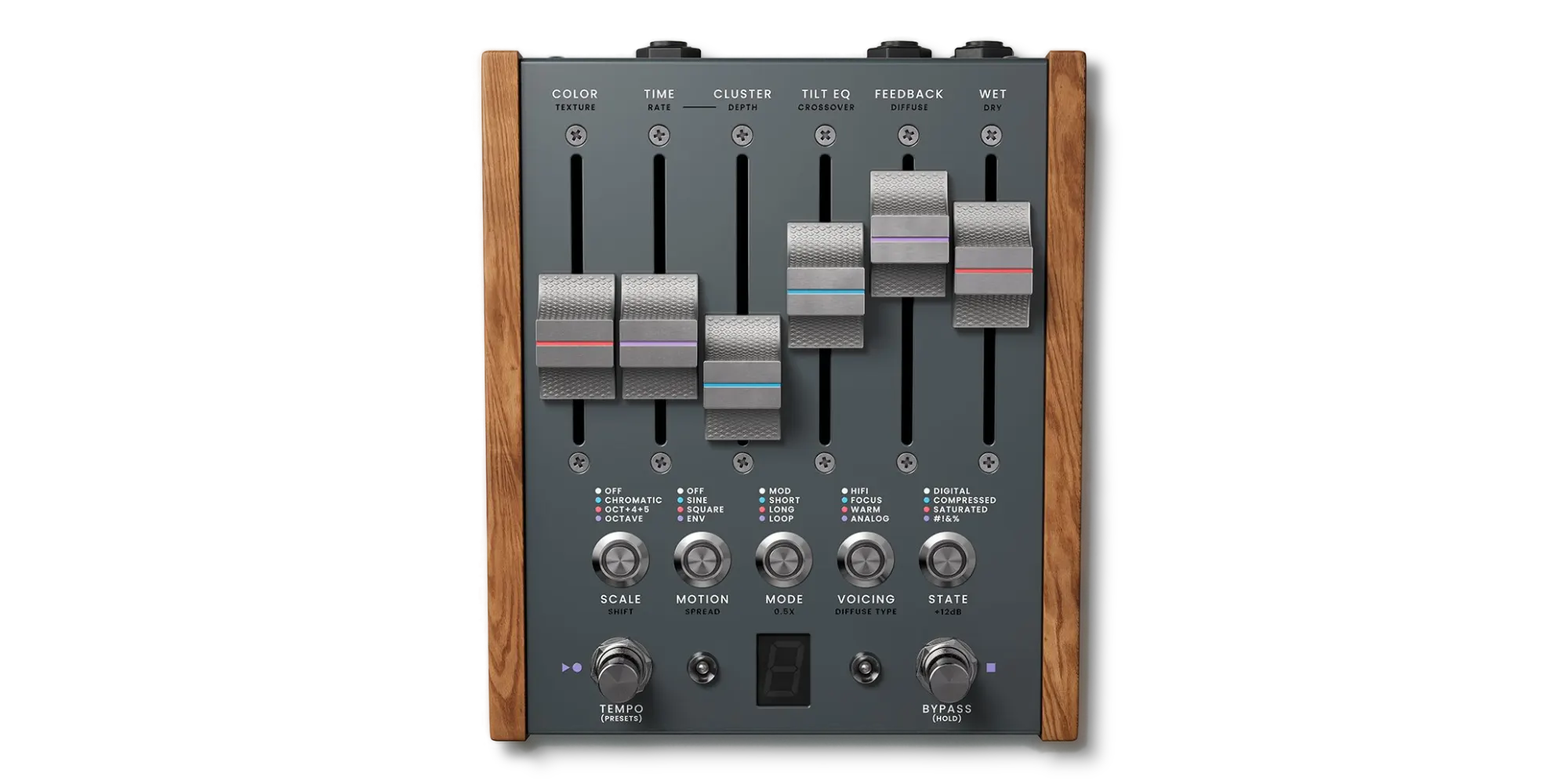
A $999 delay pedal. This is what the golden age looks like at the top of the range.
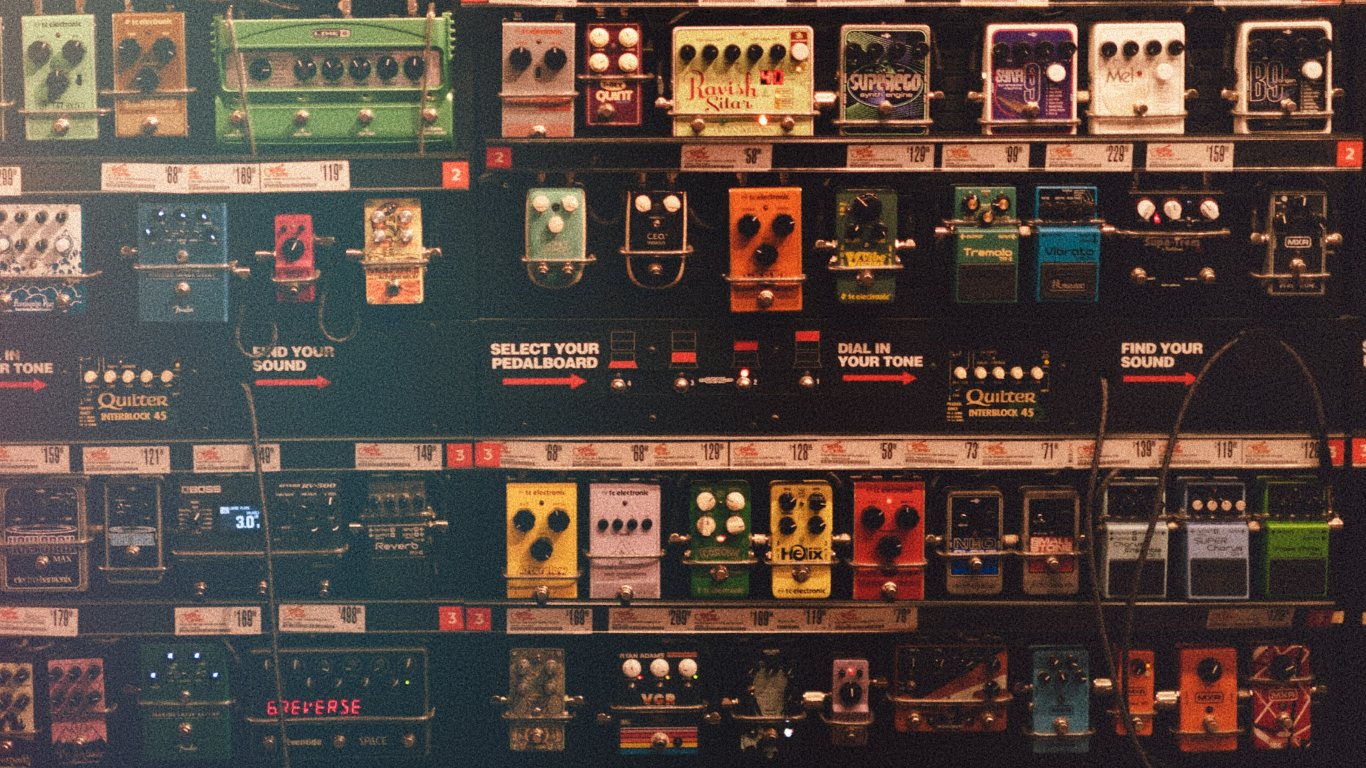
Reverb will tell you we are living in a golden age of guitar effects. Guitar World will tell you the same thing. The whole trade press has settled on the phrase, and they are not exactly wrong: there have never been more pedals, more builders, more weird and wonderful sounds you can buy with a debit card and a free afternoon.
The boutique pedal explosion isn’t an explosion of ideas. It’s an explosion of packaging. The same three or four circuits, in fourteen thousand boxes. And the boom everyone’s calling a golden age has quietly knocked the floor out from under everything you own.
Abundance has a price. You’re just not paying it at the till.
14,000 pedals and counting
Let’s deal with the scale first, because “glut” should be a number, not a mood.
By 2024 there were around 14,000 individual pedal models in Reverb’s database. In 2019 it was about 9,000. Reverb’s own price index counts roughly 3,000 brand-new, unique effects sold through the site since 2019, and notes, with a straight face, that a new boutique pedal company seems to be born every week.
Demand actually grew in 2024. Pedals were one of the few gear categories that didn’t shrink. So this isn’t a story about nobody wanting the stuff.
It’s a story about supply lapping demand and not slowing down. That’s not a renaissance. That’s a flood with good lighting.
Boutique pedal clones: the canon is tiny
Now the uncomfortable bit. Pull the back off the boutique explosion and look at what’s actually inside fourteen thousand boxes, and you keep meeting the same three circuits.
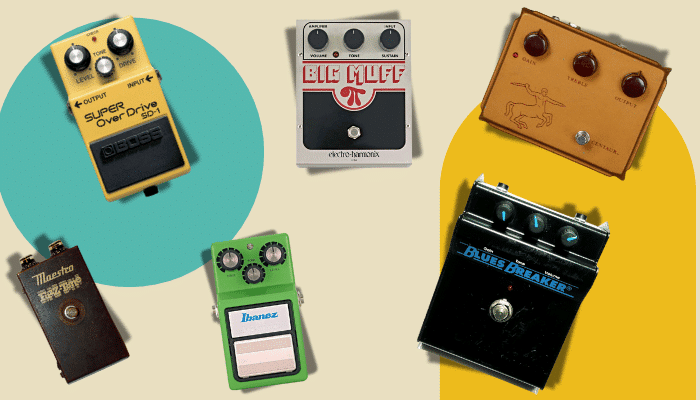
The Tube Screamer. The Klon. The Big Muff. That’s most of it. Overdrive especially has become a hall of mirrors: everyone selling you their hand-tuned, builder’s-ear, just-slightly-different take on a 1979 op-amp circuit that already cost forty quid.
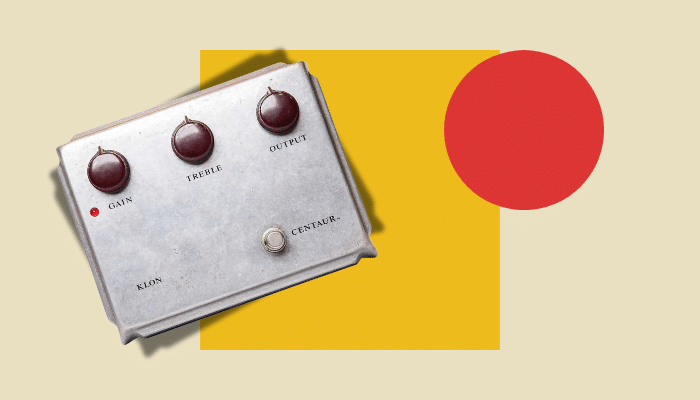
The clearest tell is at the bottom of the market. Behringer cloned the Klon for $69, called it the Centaur, copied the centaur graphic and left their own name off the box entirely. Klon’s creator Bill Finnegan sued.
Behringer renamed it Centara, then Zentara, redrew the horse with longer hair and a spear instead of a sword, added their logo, and Finnegan dropped the case with prejudice in September 2025. No costs, no win, nothing. Then Behringer turned around and started cloning Lovetone, the Ring Stinger off Radiohead’s Kid A, then the Flange With No Name, gleefully undercutting ThorpyFX who’d just announced a proper licensed revival of the same line.
Easy to sneer at Behringer. Here’s the thing though. Your favourite boutique builder is doing the same trick. Keeley makes a Klon. Half the small builders you love make a Tube Screamer with their initials on it and a $250 markup. The difference between a clone and a boutique pedal is sometimes the paint and the Instagram feed, and I say that as a man with a Klon clone bolted to his board.
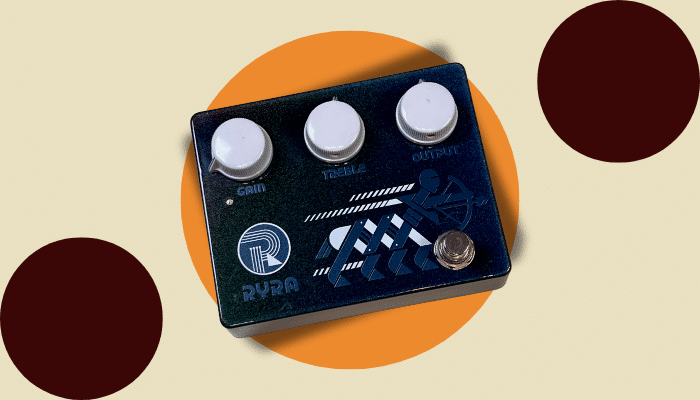
Mine’s a RYRA Klone. I’ve played a real Klon. I can’t afford one and wouldn’t pay that even if I could, and the RYRA does the job beautifully. I bought mine on Denmark Street, a limited run done in a colour I loved, and to me it’s just special. It’s a bit big. There are mini Klones that would be the wiser, board-friendlier buy. I find space for the big one anyway, every time.
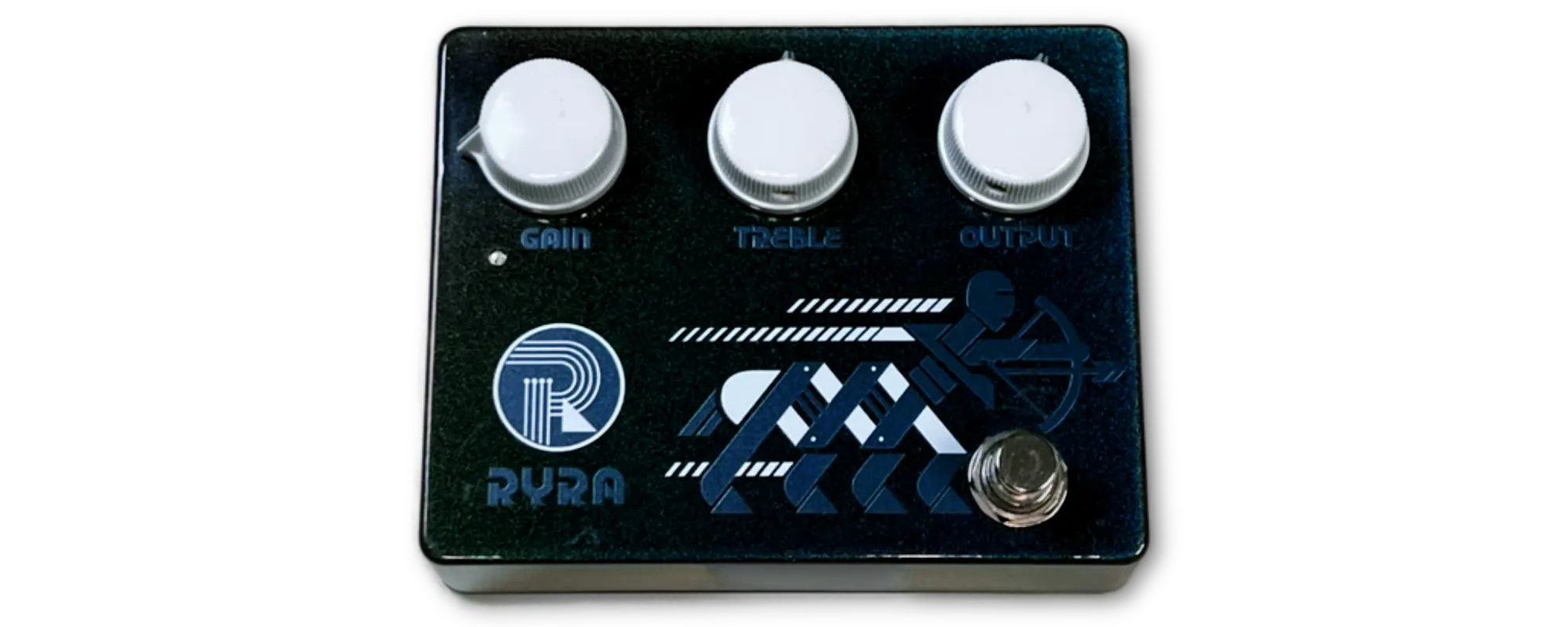
My RYRA Klone, bought on Denmark Street in a colour I couldn’t walk past. A clone of a pedal I’ll never own, and I’d buy it again tomorrow.
So I’m not above any of this. I’m in it. But let’s at least be honest about what the explosion mostly is: not a thousand new ideas, a thousand new lids on three old jars.
What the explosion did to pedal resale value
Here’s where it actually costs you, and here’s where Reverb’s own data turns the golden age on its head.
Strip out the big three and the picture is brutal. Boutique pedals, lumped together as “Other” in Reverb’s index, are now worth less secondhand than they were in 2019. Before the boom. Reverb says it plainly: the sheer volume of pedals from a growing number of brands has supply outstripping demand, and prices have slid below where they started. The boom didn’t just give you more pedals. It took the floor out from under the ones you already own.
The brands that hold value are the boring ones. Electro-Harmonix, Boss, MXR. EHX best of all, because a Big Muff is a Big Muff and always sells. Even Strymon, the premium benchmark, has slipped: everyone has an Iridium now, the V2s tanked the V1 prices by around 20%, and the modellers came for their lunch.
And the pedals that went up? The discontinued ones. The unicorns. An Analogman King of Tone up nearly 59%. A Klon KTR up roughly 90%. Scarcity holds value. Abundance destroys it. That’s the whole argument in two line items.
Now, the resale slide has never actually bitten me, and I want to be honest about why, because it isn’t discipline.
It’s that I don’t sell. I hold. I own far more pedals than I play at any one time, and I change my board constantly, pulling something I haven’t touched in three years back into the chain just to shake the cobwebs off. I keep what I call a canvas board in my practice room: a messy, free-wired thing with no plan, where I slot a pedal in for a week just to live with it. It’s how I rehearse pedals. Every so often one I’d forgotten about earns its way back onto the real board.
So the collapsing resale value doesn’t hurt me, because I was never going to flip any of it. The pedals just keep re-auditioning. That’s not me beating the market. That’s me being exactly the kind of player this whole machine is built for.
Who the golden age actually serves
Here’s the turn, and I’m not going to pretend my way around it.
The explosion is genuinely good. For somebody.
Sub-$50 pedals are real now and some of them are excellent. Mooer, NUX, TC Electronic, EHX doing serious circuits for the price of a cable.
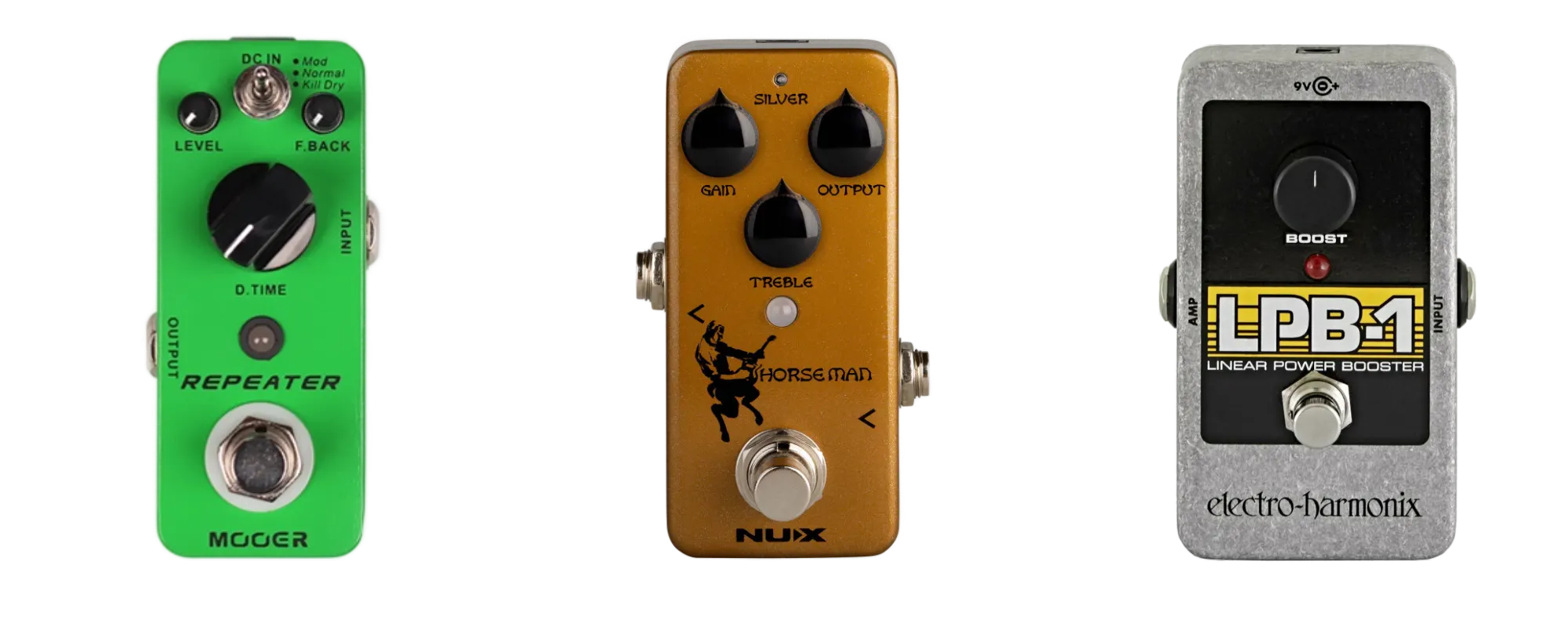
Mooer, NUX, EHX. Serious circuits for the price of a couple of cables. This is the part of the boom that genuinely earns the hype.
Small builders make genuinely deranged stuff the big factories would never green-light, the chaos machines and the broken-on-purpose fuzzes, and that’s a gift. And the resale slump I just spent three paragraphs mourning? If you’re a patient buyer, it’s Christmas. Let some other tone-chaser eat the depreciation, then buy his barely-used boutique drive for half price.
So yes. It’s a golden age. For the player who already knows exactly what they want and buys it used with a cool head.
Which, let’s be honest, is nobody reading this. It certainly isn’t me. I’m the Tone Quest Perfectionist, always one pedal away from the sound in my head, and I know full well the real answer is to practise more, not buy more. I know that. I buy the pedal anyway, because pedals excite me and they pull me back to the guitar, and a thing that makes you play more isn’t nothing. The golden age is real. It’s just not built for the person it’s being sold to.
How to buy in the boutique pedal explosion
So what do you actually do, standing in the shop with the limited-run colour calling your name?
Buy the thing you’ll keep. That’s the whole rule. Buy the pedal for the circuit you want to marry, not the one you think you can flip in a year, because the boutique pedal explosion has made the flip a losing game for everything that isn’t already vintage or already an EHX classic.
If you want a pedal that holds its money, that’s a different shopping trip: big-three staples or the genuinely rare stuff, not this week’s limited run.
Try used first, where you can. I say “where you can” because I’ve lived both sides of it. In London the secondhand market was deep and easy. Here in Budapest it’s thin, and “just buy it used” turns into advice that ignores where you actually live. The rule has edges.
And the honest confession to close on: I still impulse-buy.
I tell you to buy only what you’ll keep and then I see a Klone in the right colour on Denmark Street and the rule goes out the window. The difference is I know it now. I’m not pretending the $999 delay is an investment. If you buy the Big Time, buy it because you’ll still be playing it in ten years, not because Reverb told you it’s a golden age.
The golden age was real. It just stopped being for the player a while ago, and started being for the people selling to him.
Buy like you know that. Then go practise.