Start here
How to Set Up a Guitar Pedalboard: Order, Power, Layout
Bad pedal order, dirty power, and cramped layouts silently ruin good gear. This guide covers the fundamentals that fix all three.
14 min read

Practical guitar pedalboard setup guides covering power supplies, cable management, pedal mounting, layout planning, noise reduction, and stereo rigs. Tested advice for building a board that sounds clean and stays reliable.
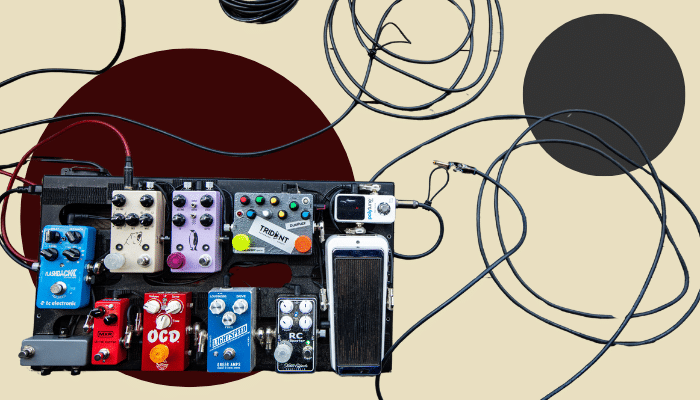


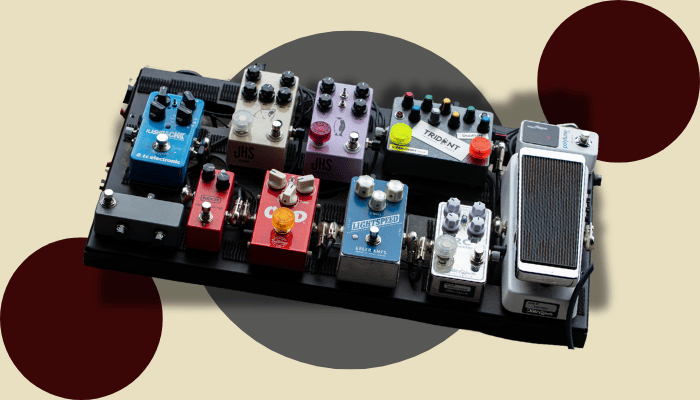
Your guitar pedalboard setup is the foundation everything else sits on. Get the power wrong and you’ll chase hum and buzz for months. Use the wrong cables or mounting method and you’ll rebuild the whole thing every time you swap a pedal. These guides cover the practical hardware side of pedalboarding: choosing and wiring a power supply, managing cables, attaching pedals securely, planning your physical layout, and reducing noise at the source.
If you’re building your first board, start with our complete guide to setting up a guitar pedalboard, which walks through layout, power, and cable routing from scratch. Already have a working board, but dealing with noise problems? Our three essential steps for pedalboard noise reduction will help you isolate the cause. And if you’re ready to expand into a stereo rig, our guide to using stereo guitar pedals covers dual-amp configuration, phase management, and when stereo is actually worth the added complexity.
Pedalboard hardware decisions connect directly to how your signal chain performs. Power supply quality and cable routing affect noise, signal strength, and tone in ways that overlap with our signal chain and pedal order guides. And long-term reliability ties into the practical advice across our pedal maintenance category.
The single biggest upgrade most guitarists can make to their pedalboard isn’t a new pedal. It’s an isolated power supply. Switching from a daisy chain to isolated outputs eliminates ground loops and stops digital switching noise from bleeding into your analog circuits. The difference is immediate: cleaner reverb tails, quieter delays, and no mysterious buzz during silent passages. If your board mixes analog and digital pedals (and most do), isolated power is not optional. Our guide on how to power guitar pedals covers voltage, polarity, milliamp requirements, and how to match a supply to your specific board.
After power, cable management has the biggest impact on both noise and usability. Separating power cables from signal cables reduces electromagnetic interference. Using flat patch cables between adjacent pedals saves space without sacrificing signal quality. Routing cables underneath the board with a small service loop at each connection point prevents broken solder joints and makes troubleshooting faster. For pedal mounting, 3M Dual Lock tape is the standard for a reason: strong hold, easy repositioning, no damage to enclosures. Our guide on how to attach pedals to a pedalboard compares Velcro, Dual Lock, zip ties, and mounting brackets so you can choose what fits your rig.
Layout planning deserves more thought than most players give it. Place your most-used pedals where your foot naturally falls, keep 20% of board space open for future additions, and think about
Yes, especially if you use more than a few pedals or mix analog and digital effects. Isolated outputs eliminate ground loops and prevent digital noise from bleeding into analog circuits, which daisy chains cannot do. Our complete guide on how to power guitar pedals explains voltage, polarity, and current requirements in detail.
3M Dual Lock tape offers the strongest hold with easy repositioning and no damage to pedal enclosures. Velcro is cheaper and works fine for lighter pedals, while mounting brackets provide permanent security at the cost of flexibility. Our guide to attaching pedals to a pedalboard compares all four common methods.
Start with an isolated power supply, then separate your power and signal cables, and use the shortest patch cables your layout allows. If noise persists after addressing power and cabling, a noise gate placed after your gain pedals can clean up what remains. Our pedalboard noise reduction guide walks through each step.
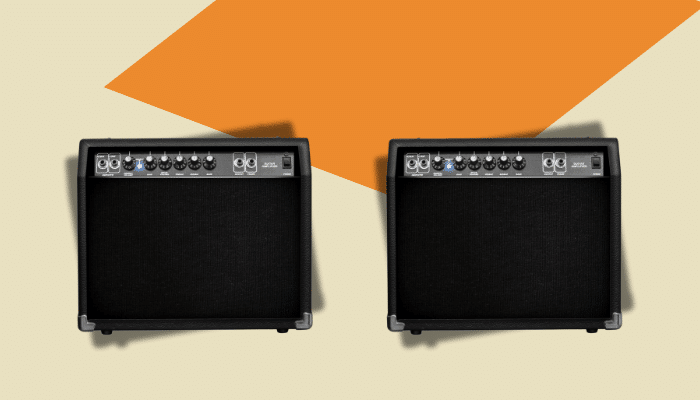
Stereo adds genuine depth and spatial dimension to delay, reverb, and modulation effects, but it requires two amplifiers, extra cabling, and careful phase management. It’s most worthwhile for recording and larger stages where the audience actually hears stereo imaging. Our guide on how to use stereo guitar pedals covers the full setup process and helps you decide if it suits your needs.